

This list shows how cloud gaming is reshaping the way we watch, play and share entertainment across the UK, from bandwidth tricks to new social habits.
Instant access without a console
In March 2024 the average broadband speed in England hit 115 Mbps, fast enough to stream a 4K game at 60 fps with less than 15 ms latency. Services such as Xbox Cloud Gaming and PlayStation Now let you launch a title from a phone in under three seconds, bypassing the weeks‑long wait for a physical disc. The result? A teenager in Liverpool can jump straight into the latest release while his sister streams a Netflix series on the same Wi‑Fi, without a single device clash.
Cost‑per‑hour beats buying hardware
Buying a mid‑range PC still costs around £800, plus electricity and upgrade cycles. By contrast, a cloud gaming subscription averages £9.99 a month, giving access to a library of 150+ titles. If you play 10 hours a month, that’s less than £1 per hour – a fraction of the £0.20‑£0.30 per hour you’d spend on power for a console. Families with tight budgets are therefore able to keep up with new releases without the upfront hit.
New social spaces beyond the couch
Platforms now embed voice chat and live streaming directly into the game window. A group of friends in Manchester can co‑op in “Elden Ring” while a teammate in Glasgow watches the session on Discord, all without needing a separate capture card. The built‑in “watch‑together” mode on some services even syncs video playback, so a family can watch a movie and pause for a quick multiplayer round without switching devices.
Bridging to online gaming and entertainment
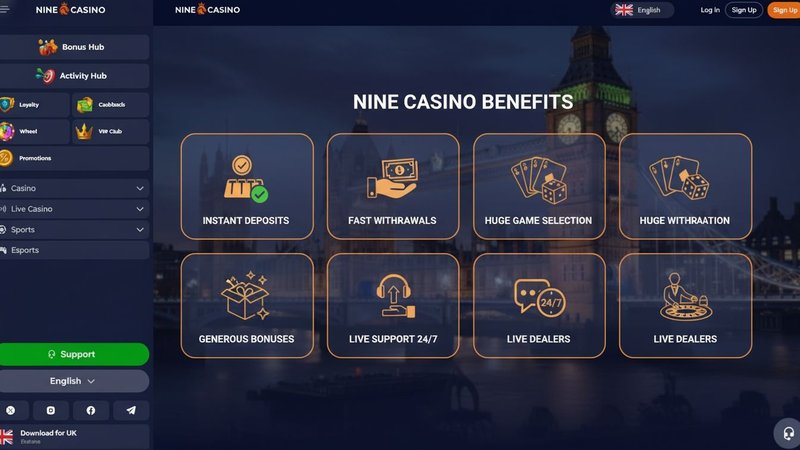
While cloud gaming expands the way we consume interactive media, it also feeds into the broader online casino scene. For instance, the site ninewin offers a seamless blend of live dealer tables and video‑game‑style graphics, showing how the same streaming tech can power both worlds.
Challenges that still matter
The biggest hurdle remains data caps. Many UK broadband packages still limit users to 350 GB per month, and streaming a 30‑minute game at 1080p can eat up 3 GB. Heavy gamers in rural areas may hit their ceiling before the month ends, forcing them to downgrade quality or wait for off‑peak windows. Additionally, latency spikes of 50 ms or more can ruin fast‑paced shooters, meaning competitive players often stick with wired connections and local hardware.
Future trends to watch
By 2026, 5G rollout promises sub‑10 ms latency on mobile, which could make cloud gaming truly portable. Expect more AI‑driven upscaling that reduces bandwidth by up to 40 % while keeping visual fidelity. And with major studios pledging exclusive cloud‑first releases, the line between streaming a film and streaming a game will blur even further.
Bottom line
Cloud gaming is already cutting costs, shrinking hardware footprints and creating fresh social rituals. The technology isn’t perfect—data caps and occasional lag still bite—but the trajectory points to a more flexible, shared entertainment landscape across the UK. If you’ve never tried a cloud‑based title, now’s the moment to test the water; the next few years will likely make it the default way we play.
Frequently Asked Questions
What is cloud gaming?
Cloud gaming streams games from remote servers to your device, eliminating the need for local hardware.
How does latency affect cloud gaming?
Low latency ensures smooth gameplay; a 15 ms latency keeps motion blur minimal, making fast-paced games playable.